


Egyptian Anise (Yansoon) - Whole Seed for Infusion
€6.90 In stock
≈ Converted for convenience — the exact total is confirmed at checkout.
Sealed for freshness
- Pay cash or by payment link
- Secure checkout
- Delivery & returns
Delivery to your hotel
Choose your area to see delivery times and fees
Flying soon? Choose the earliest window at checkout — we deliver until 00:00.
Not in Egypt yet? Order now and pick the day you land — we take orders up to a year ahead.
Sealed items: the pack is checked at the door, not the contents.
True anise seed from Middle Egypt - yansoon, the drink Egyptian households reach for at bedtime and in cold season. Whole seed so you crush it fresh. Not star anise, not fennel, though all three are related by taste.
Egyptian Anise (Yansoon) - Whole Seed for Infusion — Description
Yansoon is the Egyptian drink of comfort. It is what a household makes at bedtime, what gets pressed on you when you have a cough, and what is traditionally brought to a woman who has just had a baby. Of everything in this range it is the least touristic and the most domestic - almost nobody sells it as a souvenir, and almost every Egyptian kitchen has a jar of it.
This is true anise, Pimpinella anisum, and it is worth being precise about that because three different plants get muddled together constantly. Star anise is Illicium verum, a woody star-shaped fruit from a tree in China and Vietnam, botanically unrelated. Fennel is Foeniculum vulgare, a different plant again, with a larger, greener, more grassy seed. All three taste like each other because all three are built around the same aromatic compound, anethole - but they are not interchangeable, and this pouch is the true one.
What we call the seed is technically the dried fruit, a schizocarp, the same as cumin and coriander. It is small, ridged, grey-brown and slightly hairy, and it should smell sweet the moment you open the pouch. Anise grows well in Middle Egypt - Assiut, Minya and Beni Suef - where the crop has been grown for a very long time indeed.
How long is unusually well documented. Anise is named in the Ebers Papyrus, the Egyptian medical text of around 1550 BCE, and Egypt was one of the earliest centres of its cultivation. The Romans took it seriously enough to bake it into mustaceum, a spiced cake served at the end of wedding feasts, which food historians regularly point to as an ancestor of the wedding cake. There are not many things you can buy in Egypt with that continuous a paper trail.
The one technique that matters: crush the seed before you brew it. The anethole is held inside the fruit wall, and whole uncrushed seed in hot water gives you a pale, thin drink while most of the flavour stays in the pouch at the bottom of the cup. Press the seeds with the back of a spoon or give them a few seconds in a mortar - you are not grinding to powder, just cracking them open. One teaspoon of cracked seed per cup, water just off the boil, five to seven minutes, covered. Sweeten if you like. The Egyptian variant is yansoon bi laban, made with hot milk instead of water, which turns it into something closer to a dessert.
In the kitchen it belongs in baking above all - Egyptian kahk and biscuits, Mediterranean breads and rusks, fig and date pastries. A little goes into fish, and into rich meat where the sweetness cuts fat. Anise is also the backbone of the anise spirits of the Mediterranean, from arak to ouzo to sambuca, if you want to make your own infusion.
Unlike the leaf teas in this range, anise seed is dense and compact. A kilogram of it is a small heavy brick rather than a suitcase-filling pillow, which is why we offer the full ladder up to 1 kg here and not on the mints.
In Egypt yansoon is traditionally drunk for a cough or a cold, to settle the stomach after a heavy meal, and it is traditionally offered to new mothers. That is a description of long-standing Egyptian custom, not a medical claim, and not a substitute for advice from a doctor or pharmacist.
Egyptian Anise (Yansoon) - Whole Seed for Infusion — Specifications
- Form
- Whole seed - technically the dried fruit - small, ridged, grey-brown and slightly hairy. Sold whole so you can crack it fresh; ground anise loses its sweetness within weeks of milling.
- Pack & packaging
- Resealable, moisture- and aroma-barrier pouch. Choose 50 g, 150 g, 250 g, 500 g or 1 kg. Seed is dense, so a kilo is a small heavy brick rather than a suitcase-filling pillow - the one pack size here that is genuinely practical.
- Origin
- Grown in Middle Egypt - Assiut, Minya and Beni Suef - a region that has produced anise since antiquity.
- Ingredients
- 100% whole anise seed (Pimpinella anisum). Nothing added, and not blended with fennel, which is the usual way anise gets cheapened. Contains no declarable allergens.
- Flavour & aroma
- Sweet, warm and liquorice-like, with a cooling finish. Should smell sweet the instant the pouch opens. Sweeter and more delicate than star anise, less grassy than fennel. Naturally caffeine-free.
- Flavour family & pairings
- The anethole group - the sweet-aromatic family it shares with fennel, star anise and liquorice, which is why the four taste related despite being unrelated plants. Pairs with cinnamon, cardamom, orange peel, honey, figs, dates and fish.
- How to use
- Crush the seed first - this is the whole trick, since the flavour sits inside the fruit wall. 1 tsp cracked seed per cup, water off the boil, 5-7 min, covered. Egyptian version: brew it in hot milk instead of water.
- History & tradition
- Named in the Ebers Papyrus around 1550 BCE, with Egypt among the earliest centres of cultivation. Rome baked it into mustaceum, the spiced cake ending a wedding feast, which food historians cite as an ancestor of the wedding cake.
- Who it's for
- Bakers, anyone who likes liquorice, and households that want one calm caffeine-free drink everyone will accept. The most domestic and least touristy thing in this range - which is exactly why it makes a good gift.
- Storage
- Airtight, dark, dry, room temperature, and keep it whole. Seed holds its aroma far longer than leaf or flower, but only while uncracked - crush per cup, never in advance.
- Taking it home
- The easiest of the lot: dense, compact, unbreakable and no leak risk. Dried packaged food for personal use is normally fine in EU and UK baggage; rules change, so check your own customs page before you fly.
Check the pack before you pay
- Choose
- We deliver
- Check the pack
- Pay
Open the box at the door: check the seals, the labels and that everything you ordered is there. Anything damaged, missing or wrong goes straight back. Sealed pouches are not opened for tasting — that is what keeps them fresh.
Recently viewed
You may also like

 New
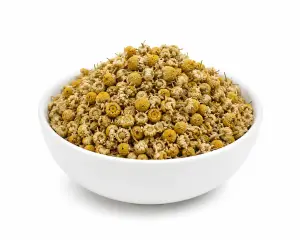
Egyptian Chamomile - Whole Dried Flowers
€2.28 €9.90 Sealed for freshness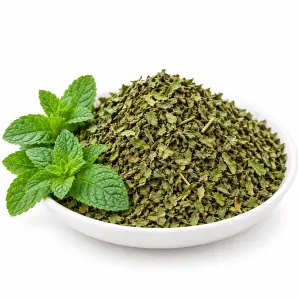 New
Egyptian Mint - Whole Dried Leaves
€3.02 €10.90 Sealed for freshness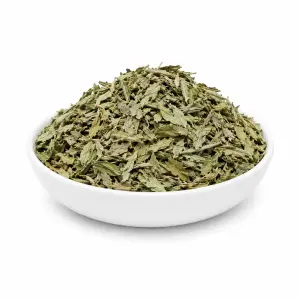 New
Sinai Habak - Wild Bedouin Desert Mint
€3.09 €12.90 Sealed for freshness
Egyptian Lemongrass - Cut Dried Leaves
€2.01 €7.90 Sealed for freshness
Egyptian Caraway (Karawya) - Whole Seed for Infusion
€3.29 €13.90 Sealed for freshness
Egyptian Fennel (Shamar) - Whole Seed for Infusion
€3.22 €13.90 Sealed for freshness

Dried Sage (Maramiya) - Whole Leaves
€2.78 €14.90 Sealed for freshnessReviews
No reviews yet — be the first after your delivery.
Write a review
Review this product
Reviews are open to customers whose order has been delivered. Enter the order number and email from your confirmation to continue.