

Egyptian Caraway (Karawya) - Whole Seed for Infusion
€7.90 In stock
≈ Converted for convenience — the exact total is confirmed at checkout.
Sealed for freshness
- Pay cash or by payment link
- Secure checkout
- Delivery & returns
Delivery to your hotel
Choose your area to see delivery times and fees
Flying soon? Choose the earliest window at checkout — we deliver until 00:00.
Not in Egypt yet? Order now and pick the day you land — we take orders up to a year ahead.
Sealed items: the pack is checked at the door, not the contents.
Whole Egyptian caraway seed - karawya, the sweetened winter drink sold hot beside sahlab. Curved, ridged and dark brown, led by carvone rather than cumin's cuminaldehyde, so it tastes sweet and anise-like where cumin is earthy and hot. Crack it before brewing. Also the seed in rye bread, sauerkraut and Tunisian harissa. Caffeine-free.
Egyptian Caraway (Karawya) - Whole Seed for Infusion — Description
Caraway is the most misidentified seed in any spice shop, and both of the things it is mistaken for are already listed on this site. It is not cumin, though the seeds look alike enough that shops confuse them and several European languages give the two nearly the same name. It is not nigella either, despite nigella being sold half the world over as black caraway. The three taste nothing like one another.
What this is: Carum carvi, a biennial of the carrot family. The seed is really the dried fruit, splitting into two curved halves, each slender, ridged, dark brown and noticeably crescent-shaped. A cumin seed is straighter, blunter and paler. The flavour is led by carvone, the compound that also dominates dill, with limonene behind it. Cumin is led by cuminaldehyde instead, and that one substitution is the whole gap: caraway is sweeter, cleaner and anise-like, cumin earthy, hot and resinous.
The naming does most of the damage. German calls caraway Kuemmel and cumin Kreuzkuemmel, literally cross-caraway, so a German recipe asking for Kuemmel wants this pouch and not the cumin one. Swedish has kummin and spiskummin the same way round; Dutch karwij and komijn; Czech kmin and rimsky kmin. Arabic keeps them properly apart as karawya and kammun. If you have cooked from a translated recipe and the result tasted strange, this is very often the reason.
The second muddle is nigella, sold as black caraway and as black cumin and genuinely neither. Nigella sativa is not even in the same plant family, belonging with the buttercups, and it tastes oniony and peppery rather than sweet. It is an excellent seed and we sell it, but nothing calling for caraway will accept it in place.
In Egypt caraway is drunk more than it is cooked with. Karawya is a winter drink, sold hot by street vendors beside sahlab and made at home through the cold months: sometimes simply the brewed seed, sweetened, and sometimes thickened a little with starch and topped with chopped nuts and coconut, which turns a cup of tea into something nearer a pudding. It is one of the drinks Egyptians make for themselves rather than one sold to visitors.
Crack the seed before you brew it. The aromatic oil sits inside the fruit wall, so whole seed in hot water gives a thin, pale cup while the flavour stays at the bottom. Press a teaspoon with the back of a spoon, or give it a few turns in a mortar - cracked, not powdered - then water just off the boil, five to seven minutes, covered. Caraway is more assertive than anise, so start light.
In the kitchen it belongs to bread and to cabbage. It is the seed in northern European rye loaves and it goes into sauerkraut, braised red cabbage, coleslaw and the potato dishes of central Europe, where it also flavours goulash and a number of cheeses, Leyden and Havarti among them. Nearer to Egypt it is a backbone of Tunisian harissa and of tabil. Whole seed for a slow braise, cracked seed for a dough.
Caraway is a dense seed rather than a bulky leaf, so a kilogram is a compact brick and not a suitcase-filling pillow, which is why the full ladder up to 1 kg is offered here and not on the mints. In Egypt karawya has a long history of traditional use as an everyday winter drink taken after food. That is offered as a description of the custom, not as a health claim or medical advice.
Egyptian Caraway (Karawya) - Whole Seed for Infusion — Specifications
- Form
- Whole seed - technically the dried fruit, split into two curved halves. Slender, ridged, dark brown and distinctly crescent-shaped; cumin is straighter, blunter and paler. Sold whole so you crack it fresh, which is where the flavour is.
- Pack & packaging
- Resealable, moisture- and aroma-barrier pouch. Choose 50 g, 150 g, 250 g, 500 g or 1 kg. Caraway is a dense seed, so a kilogram is a compact heavy brick rather than the pillow a kilogram of leaf tea would be.
- Origin
- Grown in Egypt. Growing region and supplier still to be named before this goes active.
- Ingredients
- 100% whole caraway seed (Carum carvi). Nothing added - no cumin bulking, no anise, no flavouring, no anti-caking agent. Contains no declarable allergens.
- Flavour & aroma
- Sweet, clean and anise-like with a warm bitterness under it and a cooling finish. Led by carvone, the compound that also dominates dill. Nothing like cumin, which is earthy, hot and resinous. Naturally caffeine-free.
- Flavour family & pairings
- Carvone-led with limonene behind it - the sweet-aromatic group it shares with dill, and a cousin by taste of anise and fennel. Pairs with rye, cabbage, potato, pork, apple, orange peel, coriander seed, chilli and hard cheese.
- How to use
- Crack the seed first: whole seed in hot water gives a thin, pale cup. One cracked teaspoon per cup, water off the boil, 5-7 minutes, covered. More assertive than anise, so start light. Whole in braises, cracked into bread dough.
- History & tradition
- Karawya is an Egyptian winter drink, sold hot by street vendors beside sahlab and made at home through the cold months - sometimes thickened with a little starch and topped with chopped nuts and coconut.
- Who it's for
- Anyone cooking from a German, Austrian, Czech or Scandinavian recipe that asks for Kuemmel and means this, not cumin. Rye bakers, cabbage cooks, harissa makers, and anyone who wants a sweet caffeine-free cup that is not chamomile.
- Storage
- Airtight, dark, dry, room temperature. Store it whole and crack only what you need - cracked seed loses its sweetness in weeks. Press the air out after each use and keep it away from the heat above the cooker.
- Taking it home
- Dense and compact, so even 1 kg packs small and travels well. Dried packaged food for personal use is normally fine in EU and UK baggage; check your own country's customs page before you fly.
Check the pack before you pay
- Choose
- We deliver
- Check the pack
- Pay
Open the box at the door: check the seals, the labels and that everything you ordered is there. Anything damaged, missing or wrong goes straight back. Sealed pouches are not opened for tasting — that is what keeps them fresh.
Recently viewed
You may also like

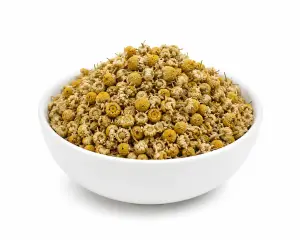 New
Egyptian Chamomile - Whole Dried Flowers
€2.27 €9.90 Sealed for freshness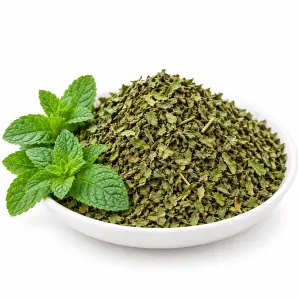 New
Egyptian Mint - Whole Dried Leaves
€3.01 €10.90 Sealed for freshness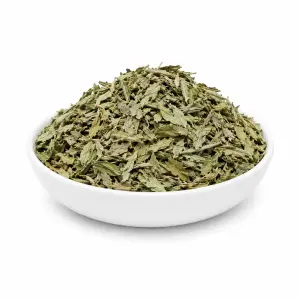 New
Sinai Habak - Wild Bedouin Desert Mint
€3.08 €11.90 Sealed for freshness

Egyptian Anise (Yansoon) - Whole Seed for Infusion
€3.01 €14.90 Sealed for freshness
Egyptian Lemongrass - Cut Dried Leaves
€2.01 €7.90 Sealed for freshness
Egyptian Fennel (Shamar) - Whole Seed for Infusion
€3.21 €12.90 Sealed for freshness

Dried Sage (Maramiya) - Whole Leaves
€2.77 €14.90 Sealed for freshnessReviews
No reviews yet — be the first after your delivery.
Write a review
Review this product
Reviews are open to customers whose order has been delivered. Enter the order number and email from your confirmation to continue.