


Dried Sage (Maramiya) - Whole Leaves
€6.90 In stock
≈ Converted for convenience — the exact total is confirmed at checkout.
Sealed for freshness
- Pay cash or by payment link
- Secure checkout
- Delivery & returns
Delivery to your hotel
Choose your area to see delivery times and fees
Flying soon? Choose the earliest window at checkout — we deliver until 00:00.
Not in Egypt yet? Order now and pick the day you land — we take orders up to a year ahead.
Sealed items: the pack is checked at the door, not the contents.
Whole dried sage leaves, grown in Egypt. Maramiya leads a double life - an everyday infusion across the Mediterranean and the Middle East, and a serious cooking herb in Italy, France and England. Camphor and pine over a resinous, savoury base. Sold as whole leaf, not rubbed, because rubbing multiplies the cut surface and the aroma goes with it. Caffeine-free.
Dried Sage (Maramiya) - Whole Leaves — Description
Sage is the odd one in this part of the range, and deliberately so. Everything else here is grown to be drunk. Sage leads a double life: a serious cooking herb in Italy, France and England, and an everyday infusion across the Mediterranean and the Middle East. Same leaf, two habits - and most people who know one have never tried the other.
The plant is Salvia, of the mint family, and the leaf is unmistakable: long, oval, grey-green, softly downy, quilted up close. Common culinary sage is Salvia officinalis; in the eastern Mediterranean the leaf drunk as maramiya is often a close relative, Salvia fruticosa, used the same way and tasting of the same things. Either way you are getting sage, and either way the aroma is camphor and pine over a resinous base.
That resinous quality is the point of it. Sage is not a soft, floral herb - it is astringent and savoury and stands up to fat and long cooking, which is why it goes with pork and butter and beans rather than delicate things. Brewed as tea it gives a drier, more herbal cup than chamomile or mint, closer to rosemary than to anything sweet, with a cool eucalyptus lift at the end.
In Egypt and the Levant it is maramiya, and the commonest use is not a cup of sage alone but two leaves dropped into a pot of black tea - a different and rather good thing, since the sage cuts the tannin and perfumes the whole pot. The habit runs around the northern Mediterranean too, where sage tea is ordinary rather than exotic: faskomilo in Greece, ada cayi in Turkey, sold in every grocer.
We sell whole dried leaves rather than rubbed or ground sage, and the reason is aroma. Rubbing shatters the leaf and multiplies its cut surface, so rubbed sage smells wonderful in the packet and flat six months later. A whole leaf keeps its oil behind an intact surface and gives it up when you crumble it between your fingers. It is also the only form in which you can see what you bought: good dried sage is grey-green and pliable, not brown and not dusty.
To brew, three or four leaves per cup, or a crumbled teaspoon, water just off the boil, five minutes, covered. Sage is strong, and a long steep turns it bitter rather than deeper, so take the leaves out. For the Levantine version, drop two leaves in with your black tea and brew as normal. Lemon and honey suit it; milk does not.
For cooking, the classic is the simplest thing in the book: whole leaves fried in butter until the butter browns and the leaves crisp, poured over pumpkin ravioli, gnocchi or plain pasta. Beyond that it belongs with pork and veal - saltimbocca is a leaf, a slice of veal and a slice of prosciutto and almost nothing else - with sausage, white beans, roast potatoes, and in the stuffing of a roast bird, which is where most English kitchens meet it. Add it early rather than late, and use less than you think.
Whole leaf is very light and very bulky, so the pouches run large: 50 g is already a substantial bag, and the 1 kg is a catering size closer to a cushion than a packet, for kitchens, not suitcases. Sage has a long history of traditional use around the Mediterranean as an everyday infusion, drunk plain or in tea. That is offered as a description of the custom, not as a health claim or medical advice.
Dried Sage (Maramiya) - Whole Leaves — Specifications
- Form
- Whole dried leaf - long, oval, grey-green, softly downy, with a quilted surface. Not rubbed and not ground: rubbing shatters the leaf and the aroma goes with the cut surface. Crumble between your fingers as you use it.
- Pack & packaging
- Resealable, moisture- and aroma-barrier pouch. Choose 50 g, 150 g, 250 g, 500 g or 1 kg. Whole leaf is very light and very bulky - 50 g is already a substantial bag, and the 1 kg is a catering size for kitchens and cafes.
- Origin
- Grown in Egypt. Growing region and supplier still to be named before this goes active.
- Ingredients
- 100% whole dried sage leaf (Salvia). Nothing added - no stem padding, no other herbs, no flavouring. Contains no declarable allergens.
- Flavour & aroma
- Camphor and pine over a resinous, savoury base, astringent rather than sweet, with a cool eucalyptus lift at the finish. Drier and more herbal than chamomile or mint; closer in character to rosemary. Naturally caffeine-free.
- Flavour family & pairings
- The camphoraceous herb group it shares with rosemary, thyme and bay, led by camphor and cineole. Pairs with butter, pork, veal, sausage, white beans, lentils, pumpkin, potato, onion, lemon and honey.
- How to use
- Three or four leaves per cup, or a crumbled teaspoon, water off the boil, 5 minutes, covered - a long steep turns it bitter, so take the leaves out. Levantine version: two leaves in the pot with black tea. In cooking, fry whole in butter.
- History & tradition
- Sage tea is ordinary rather than exotic right around the Mediterranean - maramiya in Egypt and the Levant, faskomilo in Greece, ada cayi in Turkey. In the Levant the commonest use is a couple of leaves dropped into a pot of black tea.
- Who it's for
- Cooks who want one herb that works in a teapot and in a frying pan. Anyone who finds chamomile too soft and wants a dry, savoury cup. Black tea drinkers looking for the Levantine trick of perfuming the whole pot with two leaves.
- Storage
- Airtight, dark, dry, room temperature, and keep the leaves whole for as long as you can. Press the air out after each use. Away from the heat above the cooker; dried leaf takes on the smell of anything stored beside it.
- Taking it home
- Light but very bulky, and whole leaf crushes to dust under pressure - pack it in the rigid part of the case. Dried packaged food for personal use is normally fine in EU and UK baggage; check your own country's customs page before you fly.
Check the pack before you pay
- Choose
- We deliver
- Check the pack
- Pay
Open the box at the door: check the seals, the labels and that everything you ordered is there. Anything damaged, missing or wrong goes straight back. Sealed pouches are not opened for tasting — that is what keeps them fresh.
Recently viewed
You may also like

 New
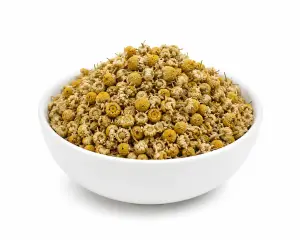
Egyptian Chamomile - Whole Dried Flowers
€2.27 €9.90 Sealed for freshness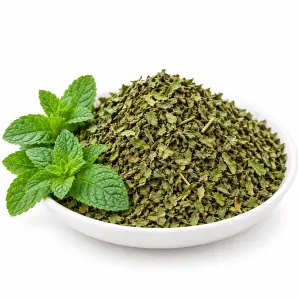 New
Egyptian Mint - Whole Dried Leaves
€3.01 €10.90 Sealed for freshness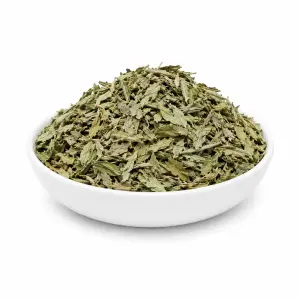 New
Sinai Habak - Wild Bedouin Desert Mint
€3.08 €11.90 Sealed for freshness

Egyptian Anise (Yansoon) - Whole Seed for Infusion
€3.01 €14.90 Sealed for freshness
Egyptian Lemongrass - Cut Dried Leaves
€2.01 €7.90 Sealed for freshness
Egyptian Caraway (Karawya) - Whole Seed for Infusion
€3.28 €13.90 Sealed for freshness
Egyptian Fennel (Shamar) - Whole Seed for Infusion
€3.21 €12.90 Sealed for freshnessReviews
No reviews yet — be the first after your delivery.
Write a review
Review this product
Reviews are open to customers whose order has been delivered. Enter the order number and email from your confirmation to continue.