
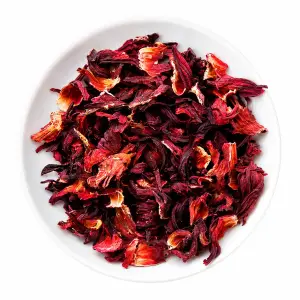

Egyptian Lemongrass - Cut Dried Leaves
€4.90 In stock
≈ Converted for convenience — the exact total is confirmed at checkout.
Sealed for freshness
- Pay cash or by payment link
- Secure checkout
- Delivery & returns
Delivery to your hotel
Choose your area to see delivery times and fees
Flying soon? Choose the earliest window at checkout — we deliver until 00:00.
Not in Egypt yet? Order now and pick the day you land — we take orders up to a year ahead.
Sealed items: the pack is checked at the door, not the contents.
Cut dried lemongrass leaf, grown in Egypt. This is the blade above the stalk - the part that goes into a glass, not the woody base sold for Thai curries. Lemon aroma without lemon's acid, clean and faintly sweet, and forgiving enough to sit in the pot for ten minutes without turning bitter. Caffeine-free.
Egyptian Lemongrass - Cut Dried Leaves — Description
This is the leaf, not the stalk. The lemongrass sold in supermarkets for Thai cooking is the pale woody base of the plant, sliced or bruised into curries. What goes into a glass in Egypt is the blade - the long grey-green leaf above it, cut and dried. Same plant, Cymbopogon citratus, but a different part of it, and the two are not interchangeable. The stalk is for the pot. The leaf is for the pot of tea.
It smells and tastes of lemon without containing any. The compound doing the work is citral, which also dominates lemon peel oil, and it is the reason a dry grass can produce something that reads as citrus. What it does not have is acid. There is no sourness, no bite, nothing that curdles milk or makes you reach for sugar the way a squeeze of lemon does. The result is bright and clean and faintly sweet, with a green, hay-like note underneath that lemon itself never has.
Ours is grown in Egypt. Lemongrass takes to the climate - it wants heat, sun and water, all of which the Nile valley and the Delta supply - and it is cut through the warm months, then dried and cut down to a brewing length. Buying it here means buying it close to where it was cut, which for an aromatic leaf matters more than it does for a seed or a bark.
We sell it cut rather than powdered or in bags. Cut leaf gives the water something to work on: enough surface to release the oil in a few minutes, without the dust that makes a cloudy, flat cup. It also lets you see what you bought. Good dried lemongrass is grey-green and slightly silvery, not brown, and it should still smell sharply of lemon through the pouch when you press the air out of it.
To brew: a tablespoon per cup, water just off the boil, five to seven minutes, covered. Covered matters more here than with most infusions, because the aroma you want is volatile and leaves with the steam. It is also more forgiving than mint or chamomile - it will take ten minutes without turning bitter, so a pot left on the table stays drinkable.
It blends better than it stands alone, and Egyptian tea habits already know this. A pinch of it in karkade cuts the tartness of the hibiscus. With dried mint it makes something more complicated than either. With a few slices of fresh ginger and a spoon of honey it becomes the standard winter glass in a great many kitchens. Over ice with a strip of orange peel it beats most things sold as iced tea.
Cooks use it too, and mostly do not. The dried leaf will perfume a poaching liquid for chicken or fish, or a rice pot, if you tie it in cloth and pull it out afterwards - the blade is far too fibrous to eat. That is roughly the limit. This is a tea leaf that happens to work in a broth, not a cooking herb.
In Egypt a glass of it is usually drunk in the evening, after food, and it has a long history of traditional use as an everyday infusion. That is offered here as a description of the custom rather than as a health claim or medical advice.
Egyptian Lemongrass - Cut Dried Leaves — Specifications
- Form
- Cut dried leaf - the long grey-green blade, not the woody stalk sold for Thai cooking. Cut to brewing length: enough surface to release the oil in minutes, without the dust that makes a cloudy cup. Grey-green and silvery, never brown.
- Pack & packaging
- Resealable, moisture- and aroma-barrier pouch. Choose 50 g, 150 g, 250 g or 500 g. Cut leaf is very light and very bulky - 50 g is already a large pouch. No 1 kg pack: at this density the pouch would be impractically large.
- Origin
- Grown in Egypt. Lemongrass wants heat, sun and water, which the Nile valley and the Delta supply; it is cut through the warm months, then dried. Growing region and supplier to be confirmed.
- Ingredients
- 100% cut dried lemongrass leaf (Cymbopogon citratus). Nothing added - no stalk padding, no lemon flavouring, no citric acid, no sugar. Contains no declarable allergens.
- Flavour & aroma
- Bright, clean lemon aroma with no acidity behind it - citral without citrus. Faintly sweet, with a green hay note underneath. Forgiving: ten minutes in the pot will not turn it bitter. Naturally caffeine-free.
- Flavour family & pairings
- Citral-dominant terpene family - the same compound that leads lemon peel oil, which is why a dry grass reads as citrus. Pairs with hibiscus, dried mint, fresh ginger, honey, orange peel, chamomile and green tea.
- How to use
- One tablespoon per cup, water just off the boil, five to seven minutes, covered - the aroma is volatile and leaves with the steam. Blend a pinch into karkade to cut its tartness, or with mint and ginger. Good iced with orange peel.
- History & tradition
- Lemongrass is a newcomer to Egyptian glasses beside mint and karkade, arriving with the wider trade in dried herbs rather than out of antiquity. It settled quickly into the same habit: an evening glass, sweetened, after food.
- Who it's for
- Anyone who wants a caffeine-free evening glass that is not chamomile. Karkade drinkers looking to soften it. Anyone who has only met lemongrass as a woody stalk in a curry and does not know it makes a better cup than most herbal teas.
- Storage
- Airtight, dark, dry, room temperature. Press the air out after each use - oxygen flattens citral faster than time alone does. Keep it away from the heat above the cooker and from anything strongly scented; cut leaf takes on smells.
- Taking it home
- Very light and very bulky, and the cut blade crushes to dust under pressure - pack it in the rigid part of the case. Dried packaged food for personal use is normally fine in EU and UK baggage; check your own customs page first.
Check the pack before you pay
- Choose
- We deliver
- Check the pack
- Pay
Open the box at the door: check the seals, the labels and that everything you ordered is there. Anything damaged, missing or wrong goes straight back. Sealed pouches are not opened for tasting — that is what keeps them fresh.
Recently viewed
You may also like

 New
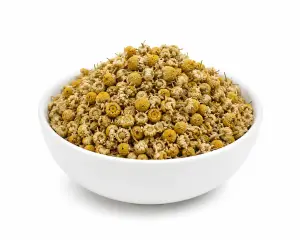
Egyptian Chamomile - Whole Dried Flowers
€2.29 €9.90 Sealed for freshness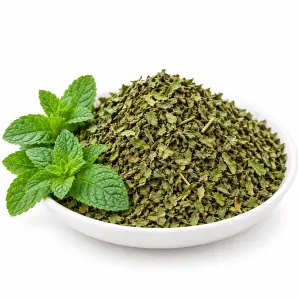 New
Egyptian Mint - Whole Dried Leaves
€3.03 €10.90 Sealed for freshness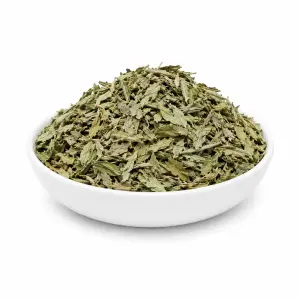 New
Sinai Habak - Wild Bedouin Desert Mint
€3.10 €12.90 Sealed for freshness

Egyptian Anise (Yansoon) - Whole Seed for Infusion
€3.03 €14.90 Sealed for freshness
Egyptian Caraway (Karawya) - Whole Seed for Infusion
€3.30 €13.90 Sealed for freshness
Egyptian Fennel (Shamar) - Whole Seed for Infusion
€3.23 €13.90 Sealed for freshness

Dried Sage (Maramiya) - Whole Leaves
€2.79 €14.90 Sealed for freshnessReviews
No reviews yet — be the first after your delivery.
Write a review
Review this product
Reviews are open to customers whose order has been delivered. Enter the order number and email from your confirmation to continue.