


Egyptian Baharat - Seven-Spice Blend
€4.90 In stock
≈ Converted for convenience — the exact total is confirmed at checkout.
Sealed for freshness
- Pay cash or by payment link
- Secure checkout
- Delivery & returns
Delivery to your hotel
Choose your area to see delivery times and fees
Flying soon? Choose the earliest window at checkout — we deliver until 00:00.
Not in Egypt yet? Order now and pick the day you land — we take orders up to a year ahead.
Sealed items: the pack is checked at the door, not the contents.
Seven spices ground and weighed to a standard: black pepper, coriander, cumin, cinnamon, cardamom, cloves and nutmeg. Baharat simply means 'spices' in Arabic, and this is the warm, peppery background note behind stuffed vegetables, rice, mince and soups across Egypt. No salt and no filler.
Egyptian Baharat - Seven-Spice Blend — Description
Baharat is simply the Arabic word for spices, which tells you how central it is: when a mixture needs no name beyond 'the spices', it is the one a kitchen reaches for without thinking. Every country from Egypt to the Gulf has a version, and no two spice merchants grind quite the same thing. Seven components is the usual count, and seven is what this is.
Black pepper leads, and it leads by weight as well as by taste - baharat should be genuinely peppery rather than merely warm. Coriander comes next, toasted and ground, bringing a citrus lift that keeps the mixture from turning heavy. Cumin sits underneath both and is the component that makes it read as Egyptian; a Gulf baharat usually carries less of it and more dried lime.
Then the sweet end. Cinnamon and cardamom are what separate baharat from an ordinary pepper mix, and they are why it works in a meat dish and a rice dish alike. Cloves and nutmeg go in last and in the smallest amounts, because both will take over a blend given the chance - clove in particular turns medicinal at about twice the quantity you would guess.
It is a background spice, not a headline one. Egyptian cooks use it in mahshi, the stuffed vegetables and vine leaves that anchor a family table; through minced meat for kofta and hawawshi; in lentil and vegetable soups; folded into rice; and rubbed on chicken before it goes in the oven. You are rarely meant to taste baharat and identify it. You are meant to notice that the dish tastes finished.
There is no salt in it. That is deliberate, and it is the single most useful thing to know when you cook with this rather than with a supermarket seasoning. Salting is yours to control against the dish, the stock and the meat, and a blend that is quietly a third salt makes that impossible. Nothing here is padded with starch, rusk or colouring either.
Ground spice gives its flavour up immediately, which is baharat's advantage and its weakness. The advantage is that a spoonful stirred into mince or a pot of rice spreads evenly in seconds. The weakness is that it fades faster than whole spice, so buy a size you will get through, keep it sealed, and expect a year-old open jar to be a shadow of a fresh one.
Spice mixtures of this kind have a long history of traditional use across Egypt and the wider region, in cooking and in the trade that carried pepper, cardamom and cloves through the Red Sea ports, and that is offered here as a description of that history rather than as a health claim, and it is not medical advice.
A note on where it comes from. Baharat is blended and packed in Egypt, but only some of what goes into it grows here: coriander and cumin are Egyptian crops, while black pepper, cinnamon, cardamom, cloves and nutmeg all arrive by trade from South and Southeast Asia. That has been true of Egyptian spice mixtures for as long as there has been a spice trade, and it seems better said than implied.
Egyptian Baharat - Seven-Spice Blend — Specifications
- Form
- Ground blend of seven spices, milled fine enough to disperse through mince, rice or a soup in seconds. Mixed and weighed in Egypt in standardised batches rather than scooped together by eye.
- Pack & packaging
- Resealable, moisture- and aroma-barrier pouch. Choose 50 g, 150 g, 250 g, 500 g or 1 kg. 150 g is the sensible household size. Ground blends fade faster than whole spice, so buy what you will get through and press the air out when you reseal.
- Origin
- Blended and packed in Egypt. Coriander and cumin are Egyptian crops; black pepper, cinnamon, cardamom, cloves and nutmeg arrive by trade from South and Southeast Asia. Stated plainly rather than implied to be entirely local.
- Ingredients
- Black pepper, coriander, cumin, cinnamon, cardamom, cloves, nutmeg - in descending order by weight. Seven spices, nothing else: no salt, no starch, no rusk, no colouring. Contains no declarable allergens. Batch proportions to be confirmed.
- Flavour & aroma
- Peppery first, then warm and sweet-edged. Black pepper leads, coriander lifts it, cumin gives the earthy base, and cinnamon and cardamom carry the sweetness. Cloves and nutmeg sit right at the back where they belong.
- Flavour family & pairings
- Warm-sweet-peppery family. Pairs with minced beef and lamb, chicken, rice, lentils, chickpeas, tomatoes, aubergine, courgette and vine leaves. Works beside garlic, onion, parsley and lemon rather than competing with them.
- How to use
- Roughly a teaspoon per 500 g of mince or per family pot of rice or soup. Stir into the meat raw, or bloom it briefly in hot oil with the onions before the liquid goes in. Rub onto chicken with oil and lemon before roasting.
- History & tradition
- Baharat is simply Arabic for 'spices' - the mixture so central that it needs no other name. Every kitchen from Egypt to the Gulf keeps a version, and the Egyptian one leans more on cumin than its Gulf cousins do.
- Who it's for
- Anyone cooking Egyptian or Levantine food at home. Cooks who want one jar that finishes mince, rice and soup alike. Anyone who prefers to salt a dish themselves rather than have a blend do it for them.
- Storage
- Airtight, dark, dry, room temperature. Ground blends give up their aroma faster than whole spice, so keep the pouch sealed and out of the light rather than in a clear jar above the cooker.
- Taking it home
- Light, dry and unbreakable, but a fine powder - keep it sealed and double-bag it so it does not scent the case. Dried packaged food for personal use is normally fine in EU and UK baggage; rules change, so check your customs page before you fly.
Check the pack before you pay
- Choose
- We deliver
- Check the pack
- Pay
Open the box at the door: check the seals, the labels and that everything you ordered is there. Anything damaged, missing or wrong goes straight back. Sealed pouches are not opened for tasting — that is what keeps them fresh.
Recently viewed
You may also like

Premium Egyptian Dukkah - Nut and Sesame Blend
€2.41 €15.90 Sealed for freshness
Egyptian Kofta Seasoning
€1.47 €11.90 Sealed for freshness
Egyptian Shawarma Seasoning
€2.81 €14.90 Sealed for freshness New
Egyptian Hawawshi Spice Blend
€2.61 €14.90 Sealed for freshness
Dried Molokhia - Finely Crushed Leaves
€2.51 €10.90 Sealed for freshness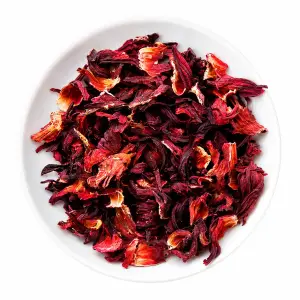

Aswan Hibiscus Karkade - Whole Dried Calyces
€2.84 €9.90 Sealed for freshness Best seller
Curry Powder - Mild House Blend, Egyptian-Milled
€4.90 €12.90 Sealed for freshnessReviews
No reviews yet — be the first after your delivery.
Write a review
Review this product
Reviews are open to customers whose order has been delivered. Enter the order number and email from your confirmation to continue.