


Premium Egyptian Dukkah - Nut and Sesame Blend
€5.90 In stock
≈ Converted for convenience — the exact total is confirmed at checkout.
Sealed for freshness
- Pay cash or by payment link
- Secure checkout
- Delivery & returns
Delivery to your hotel
Choose your area to see delivery times and fees
Flying soon? Choose the earliest window at checkout — we deliver until 00:00.
Not in Egypt yet? Order now and pick the day you land — we take orders up to a year ahead.
Sealed items: the pack is checked at the door, not the contents.
Toasted nuts and sesame pounded coarse with coriander and cumin - the one Egyptian spice mixture that is genuinely Egyptian rather than borrowed from the Levant. Bread, a dish of olive oil, a saucer of dukkah, and breakfast is finished. Contains NUTS and SESAME, both as main components rather than traces.
Premium Egyptian Dukkah - Nut and Sesame Blend — Description
Dukkah takes its name from the Arabic verb for pounding, which is the whole method in one word. Nuts and sesame are toasted, coriander and cumin are toasted separately, and the lot is pounded together with salt and pepper until it is coarse and crumbly - never smooth. The texture is not an accident. Ground to a paste it would be a nut butter; left coarse it clings to oiled bread, which is what it exists to do.
It is also, unusually, Egyptian rather than Levantine. Za'atar, baharat and most of what a visitor meets in an Egyptian spice shop travelled here from Syria, Lebanon or the Gulf. Dukkah did not. It is sold by weight from open bowls in the attarin, eaten at breakfast, wrapped in paper as a street snack, and pressed on guests with bread and oil.
This blend contains NUTS and SESAME. Both are main components by weight, not traces, and there is no version of dukkah without them. Nuts and sesame are both declarable allergens in the EU and the UK. If anyone at your table has a nut or sesame allergy, do not buy this - not a smaller bag, not a careful spoonful. The pack label carries the allergen statement with the net weight and the batch number.
The nuts are the character of the blend and the reason a premium dukkah costs more than a cheap one. Toasted hazelnut gives the roundest, sweetest result and is what a good Egyptian dukkah leans on; almond is milder and paler. Chickpeas appear in cheaper mixtures to stretch the nuts, and there are none here. The exact nut composition is confirmed with the producer for each batch and printed on the label.
Coriander and cumin do the work behind the nuts. Coriander seed, toasted, goes citrus and faintly floral and keeps the mixture from being merely rich. Cumin gives it the warm, earthy base that makes it read as Egyptian rather than as a generic nut sprinkle. Salt and black pepper are there in small quantities to sharpen the edges, not to bulk the bag out.
How to eat it is barely a recipe. Pour good olive oil into a shallow dish, put the dukkah in a saucer beside it, tear bread, dip in the oil, then press it into the dukkah so the coarse bits stick. Beyond that: over a soft-boiled egg, over hummus or labneh, pressed onto chicken or fish before roasting, scattered on carrots, pumpkin or aubergine coming out of the oven.
Dukkah has a long history of traditional use in Egypt as an everyday food eaten with bread, and that is offered here as a description of the custom rather than as a health claim, and it is not medical advice. It is worth saying plainly what it is: a rich, oily, salty mixture meant to be eaten a spoonful at a time with bread, and very good at exactly that.
One practical warning. Because the nuts and the sesame carry oil, dukkah is the least patient thing on this shelf - it will taste stale long before a bag of whole cumin would. Buy the size you will actually finish, keep the pouch sealed and cool, and if your kitchen runs hot, the fridge is a perfectly reasonable place for it.
Premium Egyptian Dukkah - Nut and Sesame Blend — Specifications
- Form
- Coarse, dry, crumbly mixture of chopped toasted nuts, whole toasted sesame and cracked toasted seed. Deliberately not a powder - dukkah is meant to have texture and to cling to oiled bread. Mixed and weighed in Egypt in standardised batches.
- Pack & packaging
- Resealable, moisture- and aroma-barrier pouch. Choose 50 g, 150 g, 250 g, 500 g or 1 kg. The nuts and sesame carry oil, so buy the size you will finish rather than the biggest one, and press the air out when you reseal it.
- Origin
- Blended and packed in Egypt. Sesame, coriander and cumin are Egyptian crops; the nuts are largely imported and are the main imported component. Stated plainly rather than implied to be entirely local. Nut supplier and producing regions to be confirmed.
- Ingredients
- Hazelnuts, toasted SESAME seeds, almonds, coriander seed, cumin seed, salt, black pepper - in descending order by weight. Contains NUTS (hazelnuts, almonds) and SESAME. Exact nut composition and batch proportions to be confirmed with the producer.
- Flavour & aroma
- Nutty first, then warm and seedy. Toasted hazelnut and sesame in front, coriander's citrus-floral note behind them, cumin underneath, salt and pepper sharpening the edges. Coarse and crumbly in the mouth rather than smooth.
- Flavour family & pairings
- Toasted nut-and-seed family. Pairs with olive oil, bread, labneh, boiled eggs, hummus, roast carrots, pumpkin and aubergine, grilled halloumi, chicken and lamb. Good anywhere you would otherwise scatter toasted nuts.
- How to use
- Bread dipped in olive oil, then pressed into dukkah, is the whole point. Also a crust for chicken or fish, and a scatter over roast vegetables, hummus, labneh or a soft-boiled egg. Do not fry it - the nuts and sesame are already toasted and will burn.
- History & tradition
- From the Arabic for 'to pound'. One of the few spice mixtures that is genuinely Egyptian rather than borrowed from the Levant - sold loose by weight in the attarin, eaten with bread and oil at breakfast, and wrapped in paper as a street snack.
- Who it's for
- Anyone who met it at an Egyptian breakfast table and wants it at home. Cooks who want texture as well as flavour. Vegetarian and vegan kitchens. Absolutely not for anyone with a nut or sesame allergy.
- Storage
- Airtight, dark, dry, room temperature - and this is the least patient blend on the shelf, because nut and sesame oils tire first. Keep it sealed and cool; the fridge is fine if your kitchen runs hot.
- Taking it home
- Light and dry, but it carries oil - double-bag it and keep the pouch sealed. Dried packaged food for personal use is normally fine in EU and UK baggage; rules change, so check your customs page before you fly.
Check the pack before you pay
- Choose
- We deliver
- Check the pack
- Pay
Open the box at the door: check the seals, the labels and that everything you ordered is there. Anything damaged, missing or wrong goes straight back. Sealed pouches are not opened for tasting — that is what keeps them fresh.
Recently viewed
You may also like


Egyptian Baharat - Seven-Spice Blend
€2.14 €12.90 Sealed for freshness
Egyptian Kofta Seasoning
€1.47 €11.90 Sealed for freshness
Egyptian Shawarma Seasoning
€2.81 €14.90 Sealed for freshness New
Egyptian Hawawshi Spice Blend
€2.61 €14.90 Sealed for freshness
Dried Molokhia - Finely Crushed Leaves
€2.51 €10.90 Sealed for freshness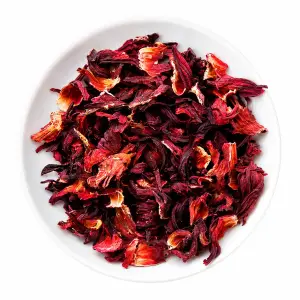

Aswan Hibiscus Karkade - Whole Dried Calyces
€2.84 €9.90 Sealed for freshness Best seller
Curry Powder - Mild House Blend, Egyptian-Milled
€4.90 €12.90 Sealed for freshnessReviews
No reviews yet — be the first after your delivery.
Write a review
Review this product
Reviews are open to customers whose order has been delivered. Enter the order number and email from your confirmation to continue.