

Moringa - Whole Dried Leaves
€5.90 In stock
≈ Converted for convenience — the exact total is confirmed at checkout.
Sealed for freshness
- Pay cash or by payment link
- Secure checkout
- Delivery & returns
Delivery to your hotel
Choose your area to see delivery times and fees
Flying soon? Choose the earliest window at checkout — we deliver until 00:00.
Not in Egypt yet? Order now and pick the day you land — we take orders up to a year ahead.
Sealed items: the pack is checked at the door, not the contents.
Whole dried moringa leaf, grown in Egypt - shade-dried and left whole, not milled to the anonymous green powder almost everyone else sells. Green and frankly a little bitter, closer to spinach or strong matcha than to a herbal tea, with a peppery edge it shares with mustard and horseradish. A vegetable in south Indian and Filipino kitchens. Caffeine-free.
Moringa - Whole Dried Leaves — Description
Moringa is a tree, which already makes it unusual in a range of seeds and flowers. Moringa oleifera grows fast, tall and thin, throws out the long ribbed pods that give it the name drumstick tree, and carries small round leaflets in sprays along fine stems. Those leaflets are what is in this pouch: picked, shade-dried and left whole rather than milled. Native to north-west India, it is now planted across the tropics, Egypt included.
Be clear about the form, because almost everything sold as moringa is a fine green powder and this is not that. Powder is convenient and also anonymous: once a leaf is milled you cannot see what went into it, and the surface exposed to air multiplies enormously. Whole dried leaf keeps its colour and shape and lets you judge it by eye - a clear grey-green, never khaki or brown, the leaflets still recognisably leaves.
The taste is green and frankly a little bitter - nearer spinach or a strong matcha than anything in the herbal tea aisle - with a peppery edge behind it. That pepperiness is not incidental: moringa sits in the same botanical order as mustard, cress and horseradish, and shares the compounds that make all three sharp. The tree's other name, the horseradish tree, comes from its root; the leaf is a gentler version.
Egypt has a longer relationship with the tree than the current fashion suggests, though not a culinary one. Moringa seeds press an oil the Greeks and Romans knew as ben oil, valued in ancient Egyptian perfumery for two dull and excellent reasons: it has almost no smell of its own and goes rancid slowly, which makes it an ideal carrier for other scents. The Arabic name for the tree, al-ban, is the same word.
As a food the leaf is thoroughly ordinary wherever the tree grows. In south India murungai keerai is cooked with coconut and mustard seed, dropped into sambar and dal, or stirred through egg. In the Philippines malunggay goes into tinola, the ginger chicken soup, added at the end so it barely wilts. In West Africa the dried leaf goes into sauces and porridges. It is a vegetable in those kitchens, not a novelty.
Treat it as a dried herb, not a tea bag. As an infusion: a teaspoon of crumbled leaf per cup, water well off the boil - around eighty degrees - for three to four minutes, no longer. Hotter water and a longer steep both pull out bitterness, so the common complaint that moringa tastes harsh is usually a brewing problem. Lemon, ginger or honey round it off. In cooking, crumble it into lentils, soup, rice or eggs in the last minute.
Its popularity has an agricultural explanation rather than a mysterious one. Moringa grows very quickly, tolerates heat and drought that would kill most crops, and can be cut for leaf again and again through the year, so development programmes across the tropics have promoted planting it for decades. That is why it turned up everywhere at once, and why Egypt grows it - it suits land that suits little else.
You will find moringa sold with a long list of promises attached to it. There are none here. This is a leaf: green, slightly bitter, peppery, cooked and drunk in many countries, and sold as exactly that. Moringa leaf has a long history of traditional use as a food and an everyday drink in the regions where the tree grows, and that is offered as a description of the custom, not as a health claim or medical advice.
Moringa - Whole Dried Leaves — Specifications
- Form
- Whole dried leaflets, shade-dried and left whole - not the fine green powder almost all moringa is sold as. Whole leaf keeps its colour and lets you judge it by eye: clear grey-green, still recognisably leaves, never khaki or brown.
- Pack & packaging
- Resealable, moisture- and aroma-barrier pouch. Choose 50 g, 150 g, 250 g, 500 g or 1 kg. Dried leaf is light and bulky, so each pouch is larger than the same weight of seed would be.
- Origin
- Grown in Egypt, where the tree suits the heat and the dry ground. Growing region and supplier still to be named before this goes active. Most moringa on the world market is Indian.
- Ingredients
- 100% whole dried moringa leaf (Moringa oleifera). Nothing added - no stem padding, no other leaves, no flavouring, and no powder blended in. Contains no declarable allergens.
- Flavour & aroma
- Green and a little bitter - nearer spinach or a strong matcha than a herbal tea - with a peppery edge behind it. Cooler water and a short steep keep it round; hot water and a long steep pull the bitterness forward. Caffeine-free.
- Flavour family & pairings
- Green and vegetal, with the peppery note it shares with mustard, cress and horseradish, all in the same broad botanical order. Pairs with lemon, ginger, mint, garlic, chilli, coconut, lentils, mung beans, rice and eggs.
- How to use
- A crumbled teaspoon per cup, water well off the boil - about 80C - for 3-4 minutes only; longer and hotter both pull out bitterness. Lemon, ginger or honey round it off. In cooking, crumble into lentils, soup, rice or eggs in the last minute.
- History & tradition
- A vegetable wherever the tree grows: murungai keerai in south India, malunggay in Filipino tinola, dried leaf stirred into West African sauces. Egypt's older link is the seed oil - ben oil, al-ban, an almost odourless carrier used in ancient perfumery.
- Who it's for
- Cooks who want a green leaf to finish lentils, soup or eggs with. Anyone who has only met moringa as a powder and would rather see the leaf. Matcha and green tea drinkers who like a cup with real bitterness in it.
- Storage
- Airtight, dark, dry, room temperature. Light is what fades a green leaf fastest, so keep it out of the window and press the air out after each use. Away from the heat above the cooker and from anything strongly scented.
- Taking it home
- Light but bulky, and dried leaf crushes easily - pack it in the rigid part of the case. Dried packaged food for personal use is normally fine in EU and UK baggage; check your own country's customs page before you fly.
Check the pack before you pay
- Choose
- We deliver
- Check the pack
- Pay
Open the box at the door: check the seals, the labels and that everything you ordered is there. Anything damaged, missing or wrong goes straight back. Sealed pouches are not opened for tasting — that is what keeps them fresh.
Recently viewed
You may also like

 New
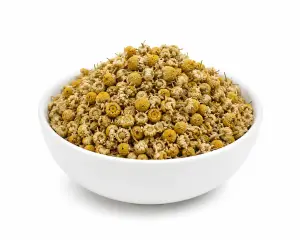
Egyptian Chamomile - Whole Dried Flowers
€2.29 €9.90 Sealed for freshness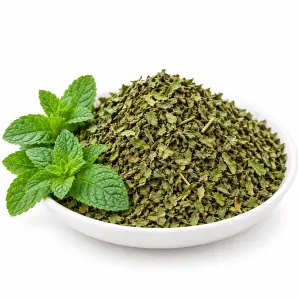 New
Egyptian Mint - Whole Dried Leaves
€3.03 €10.90 Sealed for freshness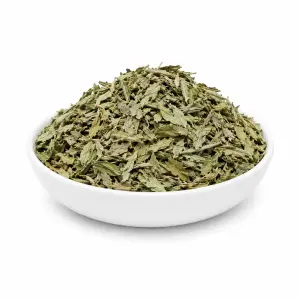 New
Sinai Habak - Wild Bedouin Desert Mint
€3.10 €12.90 Sealed for freshness

Egyptian Anise (Yansoon) - Whole Seed for Infusion
€3.03 €14.90 Sealed for freshness
Egyptian Lemongrass - Cut Dried Leaves
€2.02 €7.90 Sealed for freshness
Egyptian Caraway (Karawya) - Whole Seed for Infusion
€3.30 €13.90 Sealed for freshness
Egyptian Fennel (Shamar) - Whole Seed for Infusion
€3.23 €13.90 Sealed for freshnessReviews
No reviews yet — be the first after your delivery.
Write a review
Review this product
Reviews are open to customers whose order has been delivered. Enter the order number and email from your confirmation to continue.